Mechanical keyboards are often associated with gaming, but their benefits extend far beyond just gaming. One of the main advantages of mechanical keyboards is their durability. Unlike their membrane keyboard counterparts, mechanical keyboards are built to last for years, even with heavy daily use. The high-quality switches used in mechanical keyboards are designed to withstand millions of keystrokes, making them a reliable choice for anyone looking for a long-lasting keyboard.
In addition to their durability, mechanical keyboards also offer a more tactile and responsive typing experience. The individual switches in a mechanical keyboard make each keystroke feel satisfying and precise, leading to a more comfortable typing experience overall. This can be especially beneficial for those who spend a lot of time typing for work or school, as it can help reduce fatigue and strain on the hands and wrists.
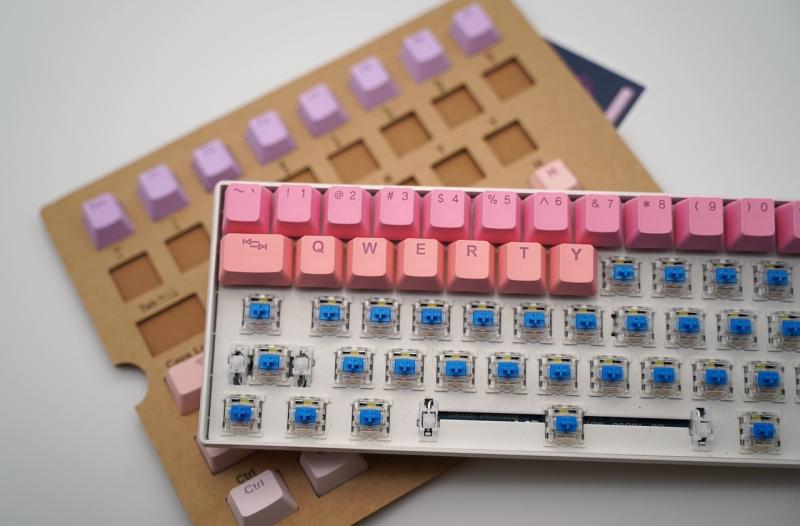
Furthermore, mechanical keyboards offer customizable options that can enhance productivity and efficiency. Many mechanical keyboards allow users to customize the key switches, keycaps, and even the layout of the keyboard to suit their specific needs and preferences. This level of customization can make typing more efficient and comfortable, ultimately improving overall productivity. Whether you're a gamer, a writer, a coder, or just someone who spends a lot of time on their computer, a mechanical keyboard can provide a more satisfying and enjoyable typing experience.
How Mechanical Keyboards Work
Mechanical keyboards are often associated with gaming due to their durability and tactile feel. However, these high-quality keyboards offer benefits far beyond just gaming. So, how do mechanical keyboards actually work?
At the heart of a mechanical keyboard are individual mechanical switches under each key. These switches are made up of several components, including a housing, a spring, and a stem. When a key is pressed, the stem moves down, compressing the spring and completing an electrical circuit. This signal is then sent to the computer, registering the keystroke.
Compared to traditional membrane keyboards, mechanical keyboards offer a more satisfying typing experience. The tactile feedback and audible clicks of the switches provide a sense of confirmation with each keystroke. This can lead to increased typing speed and accuracy, making mechanical keyboards a favorite among writers, programmers, and anyone who types for extended periods of time.
Additionally, mechanical keyboards are more durable and longer-lasting than membrane keyboards. The switches are rated for tens of millions of keystrokes, ensuring that your keyboard will last for years to come. This durability, combined with the customizable key switches available, makes mechanical keyboards a versatile and practical option for anyone looking to improve their typing experience.
Choosing the Right Mechanical Keyboard
When it comes to choosing a mechanical keyboard, there are several factors to consider beyond just the gaming aspect. While mechanical keyboards are known for their durability and tactile feedback that gamers love, they can also be a great option for everyday work and typing tasks. Here are a few things to keep in mind when looking for the right mechanical keyboard for your needs.
First, consider the type of switches you prefer. Mechanical keyboards come in different switch types, each with its own unique feel and sound. Cherry MX switches are the most popular, with options like Blue for clicky tactile feedback, Red for smooth linear keys, and Brown for a mix of the two. Try out a few different switch types to see which one feels the most comfortable for you.
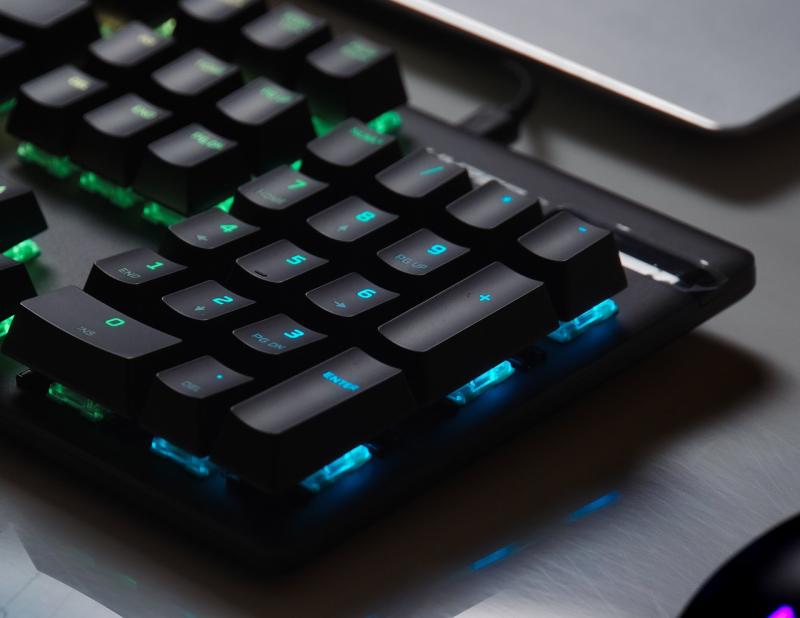
Next, think about your budget and what features are important to you. Some mechanical keyboards come with customizable RGB lighting, detachable wrist rests, and programmable macro keys. While these features can enhance your typing and gaming experience, they may also come with a higher price tag. Decide on a budget that works for you and prioritize the features that are most important.
Lastly, consider the size and layout of the keyboard. Mechanical keyboards come in various sizes, from full-size with number pads to compact tenkeyless designs. Think about how much desk space you have and whether you need the additional keys for your daily tasks. Additionally, some mechanical keyboards have unique layouts like split keyboards or ergonomic designs that can help reduce strain on your wrists and hands during long typing sessions.
How to Maintain Your Mechanical Keyboard
First and foremost, it's important to regularly clean your mechanical keyboard. Dust, dirt, and debris can build up between the keys, affecting their performance. To clean your keyboard, you can use a can of compressed air to blow out any loose particles, and a small brush or cotton swab to remove any stubborn dirt. Be sure to do this regularly to prevent buildup.
In addition to cleaning, it's a good idea to check for any loose or damaged keys. If you notice any keys that are sticking or not responding properly, you may need to remove the keycap and clean underneath it. You can use a keycap puller or a small flathead screwdriver to carefully remove the keycap, clean the switch underneath, and then reattach the keycap.
Lastly, consider investing in a keyboard cover to protect your mechanical keyboard from spills, dust, and other hazards. A cover can help prolong the life of your keyboard and keep it looking like new for longer. By following these simple maintenance tips, you can enjoy your mechanical keyboard for years to come.